Job Hunting in 2026: AI-Optimized Resumes and Portfolios That Actually Work
Nobody tells you this, but most resumes in 2026 are read by machines before they're read by humans.
Nobody tells you this, but most resumes in 2026 are read by machines before they're read by humans.
I found this out the hard way a couple of years ago when a friend asked me to help him apply for senior engineering roles. He had twenty years of experience, shipped products used by millions, and couldn't get past the first screening round. His resume was beautifully designed — custom fonts, a tasteful color scheme, a headshot in the corner. And it was completely invisible to every applicant tracking system he submitted it to.
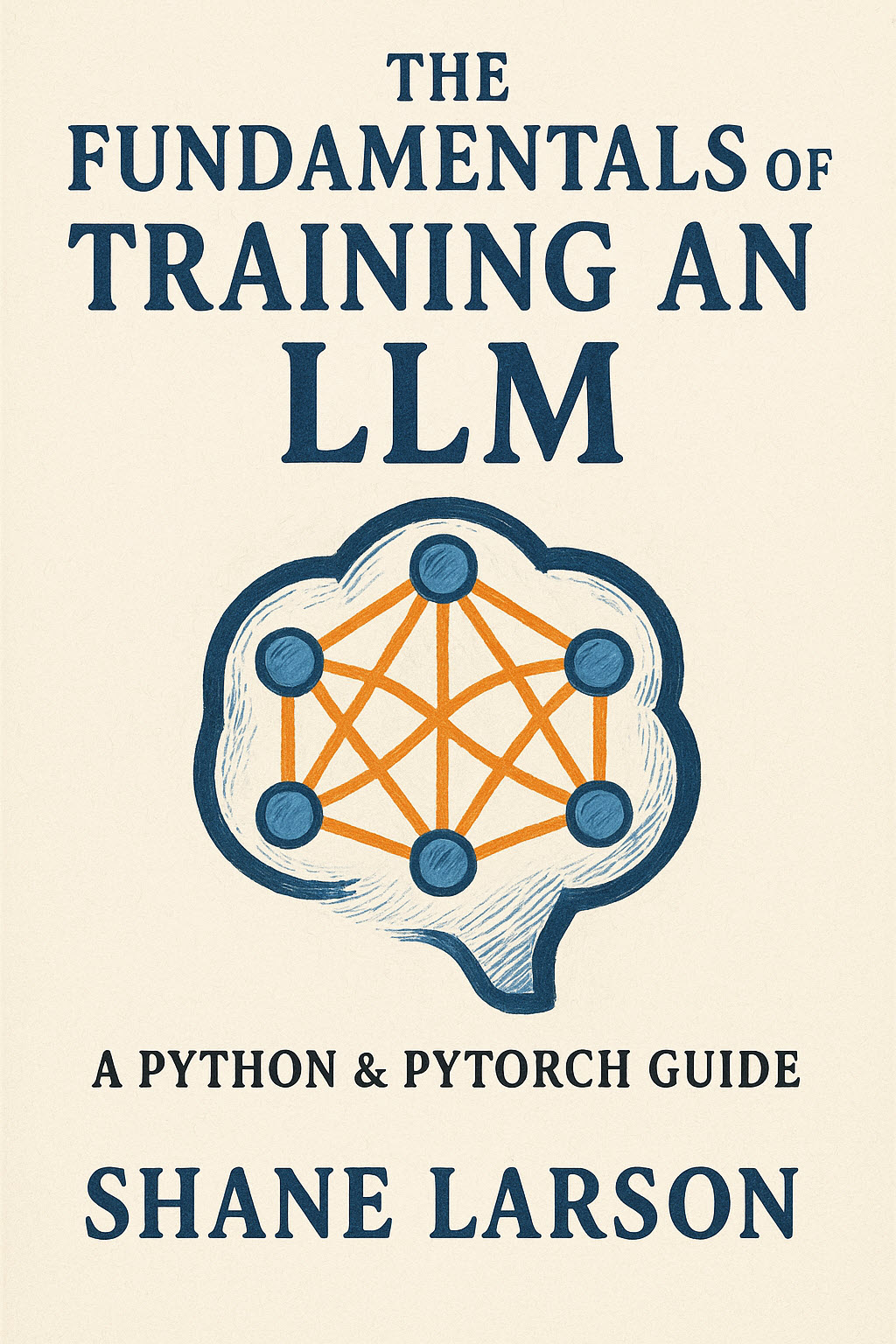
The Fundamentals of Training an LLM: A Python & PyTorch Guide
Build a GPT-style transformer from scratch in Python. Learn how LLMs actually work through hands-on code. No ML experience required.
Learn MoreThat experience sent me down a rabbit hole. I started building tools to analyze how ATS systems parse resumes, how AI-powered screening works on the recruiter side, and what actually moves the needle when a human finally does look at your application. What I found changed how I think about job hunting entirely.
The ATS Problem Is Worse Than You Think
Applicant tracking systems have been around for decades. But in 2026, they're not just keyword matchers anymore. Companies are using AI-powered screening that goes beyond simple keyword extraction. These systems analyze semantic meaning, assess skill relevance, and — this is the part nobody talks about — they score you against an ideal candidate profile before a recruiter ever opens your file.
I built a simple test rig to understand how different resume formats get parsed:
var fs = require('fs');
var pdf = require('pdf-parse');

function analyzeResumeParsing(filePath) {
  var dataBuffer = fs.readFileSync(filePath);

  return pdf(dataBuffer).then(function(data) {
    var text = data.text;

    // Check for common parsing failures
    var issues = [];

    // Multi-column layouts often get interleaved
    var lines = text.split('\n').filter(function(l) { return l.trim().length > 0; });
    var shortLineRatio = lines.filter(function(l) { return l.trim().length < 15; }).length / lines.length;

    if (shortLineRatio > 0.4) {
      issues.push('HIGH_SHORT_LINE_RATIO: Likely multi-column layout causing parse fragmentation');
    }

    // Check for common section headers
    var expectedSections = ['experience', 'education', 'skills', 'summary'];
    var foundSections = expectedSections.filter(function(section) {
      return text.toLowerCase().indexOf(section) > -1;
    });

    if (foundSections.length < 3) {
      issues.push('MISSING_SECTIONS: Only found ' + foundSections.length + '/4 standard sections');
    }

    // Check for date parsing
    var datePattern = /\b(jan|feb|mar|apr|may|jun|jul|aug|sep|oct|nov|dec)[a-z]*\s+\d{4}\b/gi;
    var dates = text.match(datePattern) || [];

    if (dates.length < 2) {
      issues.push('FEW_DATES: Only found ' + dates.length + ' parseable dates — ATS may not extract timeline');
    }

    return {
      totalCharacters: text.length,
      lineCount: lines.length,
      sectionsFound: foundSections,
      datesFound: dates.length,
      issues: issues,
      parseScore: Math.max(0, 100 - (issues.length * 25))
    };
  });
}

analyzeResumeParsing('./resume.pdf').then(function(result) {
  console.log('Parse analysis:', JSON.stringify(result, null, 2));
});
When I ran my friend's beautifully designed resume through this, the parse score was 25 out of 100. The two-column layout caused the PDF parser to interleave his job titles with his skills section. His dates were in a sidebar that got extracted as disconnected fragments. The ATS literally couldn't tell where one job ended and another began.
A plain, single-column version of the same content scored 100.
What AI Screening Actually Looks For
Here's where it gets interesting. Beyond basic parsing, modern AI screening systems are doing something much more sophisticated than keyword matching. They're building a semantic model of what you've done and comparing it against what the role requires.
I talked to a recruiter at a mid-size tech company who walked me through their screening pipeline. The AI doesn't just check if you mentioned "React" — it assesses whether your description of React work suggests meaningful experience or surface-level exposure. Writing "Proficient in React" scores lower than "Built a React component library used across 12 product teams, reducing UI development time by 40%."
This has practical implications for how you write your resume:
Weak (keyword-stuffed):
Experienced with Python, JavaScript, TypeScript, React, Node.js, AWS, Docker, Kubernetes, PostgreSQL, MongoDB, Redis, GraphQL, REST APIs, CI/CD, Agile, Scrum
Strong (context-rich):
Built Python data pipeline processing 2M daily events, deployed on AWS ECS with Docker. Designed Node.js/TypeScript API layer serving React frontend for 50K monthly active users. Managed PostgreSQL and Redis infrastructure on Kubernetes.
The second version contains fewer keywords but communicates dramatically more signal. The AI screening picks up on specificity, scale indicators, and the relationships between technologies — which tells it you actually used these tools together on real projects rather than listing every technology you've ever heard of.
Building an AI-Optimized Resume Generator
After understanding the problem, I built a tool to help optimize resumes for AI screening without sacrificing readability for humans. The key insight: you're not gaming the system, you're communicating more effectively.
var Anthropic = require('@anthropic-ai/sdk');
var client = new Anthropic();

function optimizeResumeSection(section, targetRole) {
  var prompt = 'You are an expert technical recruiter and resume writer. ' +
    'Optimize this resume section for the target role. ' +
    'Rules:\n' +
    '- Keep all facts accurate — do not fabricate or exaggerate\n' +
    '- Add quantifiable metrics where the original implies them\n' +
    '- Use active voice and strong action verbs\n' +
    '- Connect technologies to outcomes, not just list them\n' +
    '- Keep each bullet to one or two lines maximum\n' +
    '- Prioritize relevance to the target role\n\n' +
    'Target Role: ' + targetRole + '\n\n' +
    'Original Section:\n' + section;

  return client.messages.create({
    model: 'claude-sonnet-4-20250514',
    max_tokens: 1000,
    messages: [{ role: 'user', content: prompt }]
  }).then(function(response) {
    return response.content[0].text;
  });
}

function generateTailoredSummary(experience, targetRole) {
  var prompt = 'Write a 3-sentence professional summary for a resume. ' +
    'The candidate has this experience:\n' + experience + '\n\n' +
    'They are applying for: ' + targetRole + '\n\n' +
    'Rules:\n' +
    '- First sentence: years of experience and core expertise area\n' +
    '- Second sentence: most relevant achievement with a metric\n' +
    '- Third sentence: what they bring to this specific role\n' +
    '- No buzzwords. No "passionate." No "driven." Just facts.';

  return client.messages.create({
    model: 'claude-sonnet-4-20250514',
    max_tokens: 300,
    messages: [{ role: 'user', content: prompt }]
  }).then(function(response) {
    return response.content[0].text;
  });
}
The critical constraint in that prompt is "do not fabricate or exaggerate." I've seen AI resume tools that essentially make stuff up — adding metrics that never existed, inflating titles, claiming technologies the candidate barely touched. That's not optimization, that's fraud, and it will blow up in the interview.
What this tool does instead is restructure existing experience for maximum signal density. If you "worked on a team that built a payment system," it helps you articulate what your specific contribution was, what the system handled, and what the outcome was — all things you actually did but maybe didn't know how to express concisely.
The Portfolio Problem
Resumes get you through the door. Portfolios close the deal.
But here's the thing about portfolios in 2026: nobody has time to browse your beautifully curated personal website with the animated SVG hero section. Hiring managers spend maybe 30 seconds on a portfolio. If they can't understand what you built and why it matters in that window, you've lost them.
I rebuilt my own portfolio around this principle. Every project gets three things:
- One sentence describing what it does and who uses it
- One technical detail that demonstrates depth
- One link to either the live project, the code, or a demo
That's it. No paragraphs of context. No technology lists. No "I learned a lot from this experience."
Here's the structure I use:
var projects = [
  {
    name: 'AutoDetective.ai',
    oneLiner: 'AI-powered vehicle diagnostic platform used by 15K+ car owners monthly',
    technicalDepth: 'Built custom fine-tuning pipeline for OBD-II code interpretation using 200K diagnostic records',
    link: 'https://autodetective.ai',
    relevantFor: ['ai', 'machine-learning', 'full-stack', 'product']
  },
  {
    name: 'Grizzly Peak Software Job Board',
    oneLiner: 'Automated job aggregation platform with AI-powered career category classification',
    technicalDepth: 'Claude Haiku classifies 500+ daily listings into 14 categories with 94% accuracy',
    link: 'https://grizzlypeaksoftware.com/jobs',
    relevantFor: ['ai', 'backend', 'data-engineering', 'full-stack']
  }
];

function getRelevantProjects(targetRole, allProjects) {
  var roleKeywords = targetRole.toLowerCase().split(/[\s,]+/);

  return allProjects.map(function(project) {
    var relevanceScore = project.relevantFor.reduce(function(score, tag) {
      var match = roleKeywords.some(function(keyword) {
        return tag.indexOf(keyword) > -1 || keyword.indexOf(tag) > -1;
      });
      return score + (match ? 1 : 0);
    }, 0);

    return { project: project, score: relevanceScore };
  }).sort(function(a, b) {
    return b.score - a.score;
  }).slice(0, 3).map(function(item) {
    return item.project;
  });
}
The relevantFor tags let you automatically surface the most relevant projects for each application. Applying for an ML role? AutoDetective goes first. Applying for a full-stack position? The job board leads. Same portfolio, different ordering, dramatically different impact.
GitHub as Your Secret Weapon
Your GitHub profile is a portfolio that most candidates completely ignore. Recruiters check it. Engineering managers check it. And in 2026, AI screening tools are starting to analyze public GitHub profiles as part of the candidate assessment.
Here's what matters and what doesn't:
Doesn't matter: Stars on your repos. Number of repositories. Green squares on your contribution graph.
Matters enormously: README quality. Commit message clarity. Whether your code actually runs.
I've reviewed candidates whose GitHub was full of repos with no README, no documentation, and code that wouldn't compile. That's worse than having no GitHub at all, because it demonstrates that you ship incomplete work.
A simple script to audit your own GitHub presence:
var https = require('https');

function auditGitHubProfile(username) {
  var options = {
    hostname: 'api.github.com',
    path: '/users/' + username + '/repos?sort=updated&per_page=10',
    headers: { 'User-Agent': 'resume-audit' }
  };

  return new Promise(function(resolve, reject) {
    https.get(options, function(res) {
      var data = '';
      res.on('data', function(chunk) { data += chunk; });
      res.on('end', function() {
        var repos = JSON.parse(data);

        var audit = repos.map(function(repo) {
          return {
            name: repo.name,
            hasDescription: !!repo.description,
            hasReadme: false, // Would need separate API call
            language: repo.language,
            lastUpdated: repo.updated_at,
            isForked: repo.fork,
            issues: []
          };
        });

        // Flag problems
        audit.forEach(function(repo) {
          if (!repo.hasDescription) repo.issues.push('No description');
          if (repo.isForked) repo.issues.push('Fork — consider pinning original work instead');

          var daysSinceUpdate = Math.floor(
            (Date.now() - new Date(repo.lastUpdated).getTime()) / (1000 * 60 * 60 * 24)
          );
          if (daysSinceUpdate > 365) repo.issues.push('Stale — not updated in ' + daysSinceUpdate + ' days');
        });

        resolve(audit);
      });
    }).on('error', reject);
  });
}
Pin your best six repositories. Write a real README for each one. Make sure they run. That alone puts you ahead of 80% of candidates.
The Cover Letter Is Dead. The Introduction Email Is Not.
Traditional cover letters — "Dear Hiring Manager, I am writing to express my interest in…" — are dead. Nobody reads them. AI screening systems largely ignore them.
But personalized introduction emails to specific people at the company? Those still work incredibly well.
The difference is targeting. A cover letter goes into a black hole. An introduction email goes to a human being who might actually respond.
I built a research tool to help identify the right person to contact:
function buildOutreachStrategy(company, role) {
  return {
    targetContacts: [
      'Engineering manager for the team hiring',
      'Senior engineer on the team (peer-level)',
      'Technical recruiter assigned to the role'
    ],
    channels: [
      { platform: 'LinkedIn', approach: 'Connection request with personalized note' },
      { platform: 'Company blog/tech blog', approach: 'Comment thoughtfully on recent post, then reach out' },
      { platform: 'GitHub', approach: 'If they have OSS projects, contribute or engage meaningfully' }
    ],
    messageTemplate: function(contact, sharedContext) {
      return 'Hi ' + contact.firstName + ',\n\n' +
        'I saw ' + sharedContext + ' and wanted to reach out. ' +
        'I have been working on ' + '[relevant project]' + ' which tackles a similar problem.\n\n' +
        'I noticed ' + company + ' is hiring for ' + role + '. ' +
        'I would love to learn more about the team and share how my work on ' +
        '[specific technical overlap]' + ' might be relevant.\n\n' +
        'Would you be open to a quick conversation?';
    }
  };
}
The key phrase is "sharedContext." You need a genuine reason to reach out — a blog post they wrote, a talk they gave, an open source project you both contributed to. Cold outreach without context is spam. Warm outreach with shared context is networking.
The Interview Prep Pipeline
Once you get the interview, AI can help you prepare in ways that weren't possible even two years ago.
I built a prep system that takes a job description and generates likely interview questions, then helps you structure answers using the STAR method (Situation, Task, Action, Result):
function generateInterviewPrep(jobDescription, candidateExperience) {
  var prompt = 'Based on this job description, generate the 10 most likely ' +
    'technical and behavioral interview questions. For each question, suggest ' +
    'which of the candidate experiences below would make the strongest answer.\n\n' +
    'Job Description:\n' + jobDescription + '\n\n' +
    'Candidate Experience:\n' + candidateExperience + '\n\n' +
    'For each question provide:\n' +
    '1. The likely question\n' +
    '2. Why they would ask this (what they are really evaluating)\n' +
    '3. Which candidate experience to draw from\n' +
    '4. A STAR framework outline for the answer';

  return client.messages.create({
    model: 'claude-sonnet-4-20250514',
    max_tokens: 3000,
    messages: [{ role: 'user', content: prompt }]
  }).then(function(response) {
    return response.content[0].text;
  });
}
The "why they would ask this" part is the most valuable. Understanding what the interviewer is actually evaluating changes how you answer. "Tell me about a time you disagreed with your team" isn't about the disagreement — it's about how you handle conflict, whether you can articulate a technical position, and whether you ultimately prioritize team outcomes over being right.
What I Got Wrong
I want to be honest about the limitations. AI resume optimization can help you communicate more effectively, but it can't manufacture experience you don't have. I've seen people use these tools to paper over gaps in their background, and it always falls apart in the technical interview.
The tools also can't replace genuine human networking. The most effective job hunting strategy I've ever seen is still: build things people use, talk about what you've learned, and be genuinely helpful to other engineers. The AI tools amplify that signal, but they can't create it from nothing.
My friend — the one whose resume started this whole journey — eventually landed a great role. But it wasn't the optimized resume alone that did it. It was the combination of a clearly formatted resume that survived ATS parsing, a portfolio that demonstrated real depth in three projects, a warm introduction through someone he'd helped on a side project, and interview prep that helped him articulate twenty years of experience concisely.
The AI tools made each of those steps more efficient. But the foundation was real experience, honestly communicated.
The Uncomfortable Truth
Job hunting in 2026 feels like an arms race. Candidates use AI to optimize their applications. Companies use AI to screen them. Everyone's trying to game the system, and the system keeps adapting.
But here's what I keep coming back to: the engineers who have the easiest time finding work are the ones who don't need to game anything. They have public work that speaks for itself. They have a network of people who've seen them in action. They have a track record of shipping things that matter.
AI tools don't replace any of that. They just help you present it more effectively to systems that are increasingly designed to filter out noise.
Start with the substance. Use AI to sharpen the presentation. And for the love of everything, stop using two-column PDF resume templates.
Shane Larson is the founder of Grizzly Peak Software and AutoDetective.ai. He writes code in a cabin in Caswell Lakes, Alaska, where the nearest neighbor is a moose and the WiFi is powered by stubbornness. His book on training and fine-tuning large language models is available on Amazon.