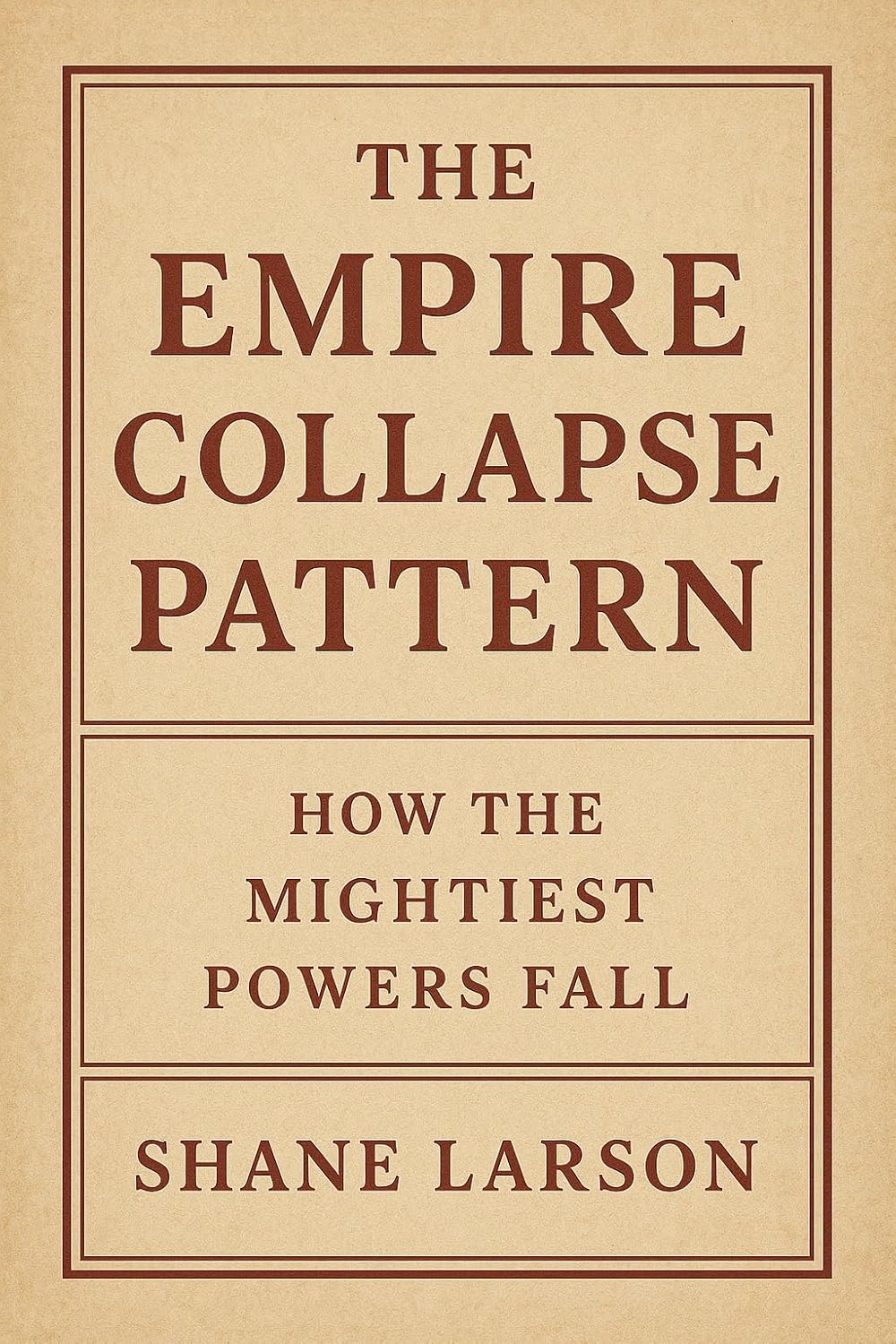
The Empire Collapse Pattern
How the Mightiest Powers Fall
by Shane Larson · The Collapse Pattern (Book 4)
No empire, from Rome to the Soviets, fell due to enemies — they crumbled from within.
Rome lasted a thousand years. The Mongol Empire barely survived its founder's grandchildren. The British Empire won two world wars and lost everything within a generation. The Soviet Union — a nuclear superpower — imploded in two years.
Different centuries. Different continents. Different ideologies. The same five fatal flaws.
Every empire in history has followed a recognizable arc: explosive growth, overextension, elite capture, loss of legitimacy, and collapse. The timescales vary. The specific triggers vary. The underlying pattern doesn't. And understanding that pattern doesn't just illuminate the past — it makes the present considerably harder to misread.
The Empire Collapse Pattern examines history's mightiest political powers to map the recurring lifecycle that every empire follows to its own destruction — from the first signs of overreach to the moment the whole structure comes apart.
What you'll discover:
- Why no empire has ever lasted forever — and why the reasons are structurally consistent across every case
- How the five fatal flaws appear in every empire studied, from the Mongols to the British
- Why the Byzantine Empire survived a thousand years longer than Rome — and why it still ultimately fell
- How Spain's gold from the Americas didn't enrich the Spanish Empire — it destroyed it
- Why the Soviet Union collapsed in two years despite possessing enough nuclear weapons to end civilization
- The ten warning signs of imperial decline — and what they look like in practice
- Why empires that attempt serious reform almost always fail — and why the attempt itself can accelerate collapse
- What happens in the aftermath of empire, and why the transition period is often more dangerous than the collapse itself
Empires examined: Rome, the Byzantine Empire, the Mongol Empire, the Ottoman Empire, the Spanish Empire, the British Empire, the Soviet Union, the Austro-Hungarian Empire, the Mughal Empire, and the Qing Dynasty.
Includes a timeline of major empire collapses, a scored imperial decline warning signs framework, a glossary of terms, and a curated further reading list.
Book 4 in The Collapse Pattern Series, from the author of The Collapse Pattern: How Great Civilizations Destroy Themselves.
More in The Collapse Pattern
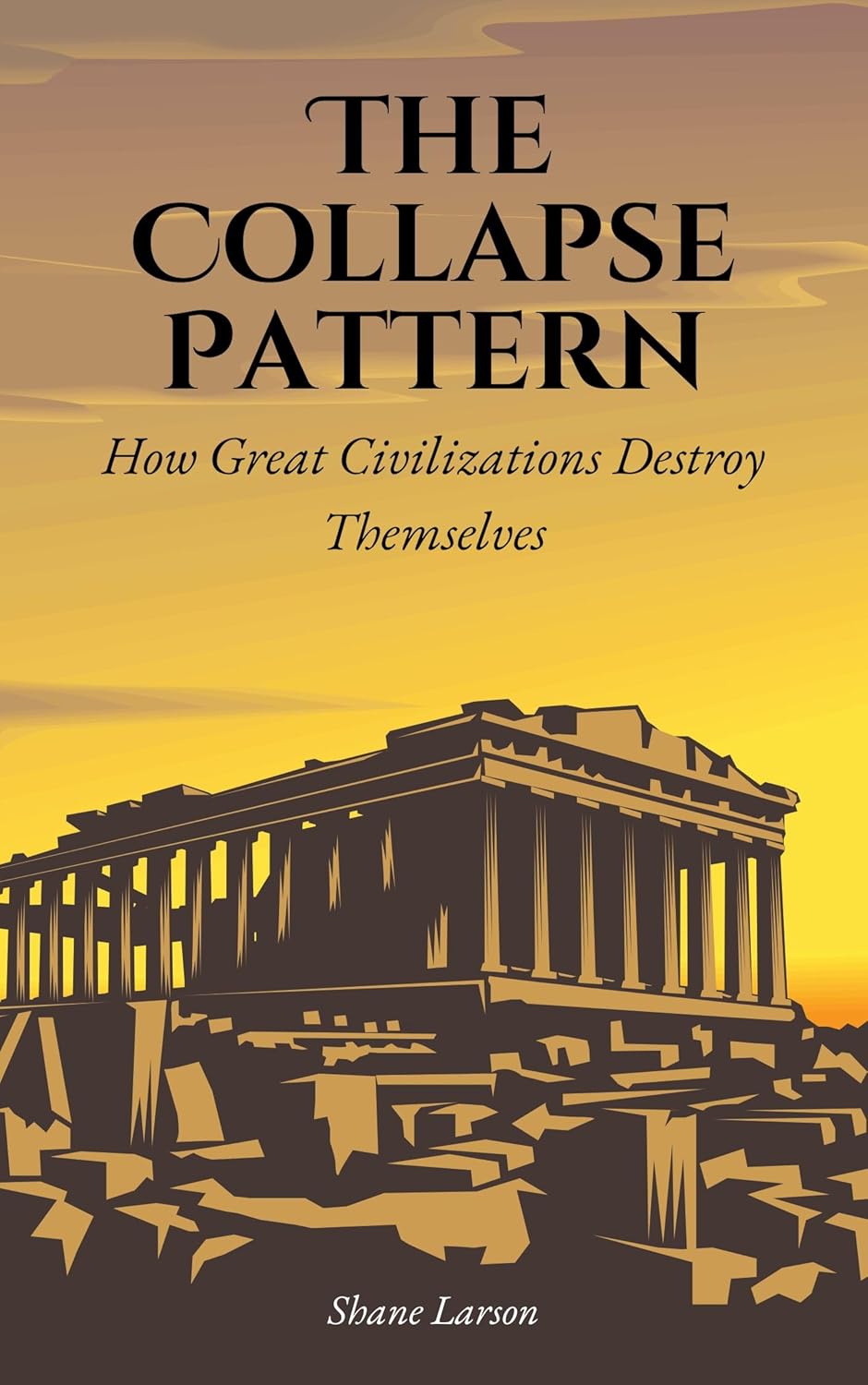
The Collapse Pattern
How Great Civilizations Destroy Themselves
Ignoring Rome's warning signs wasn't just reckless, it set the stage for irreversible collapse.
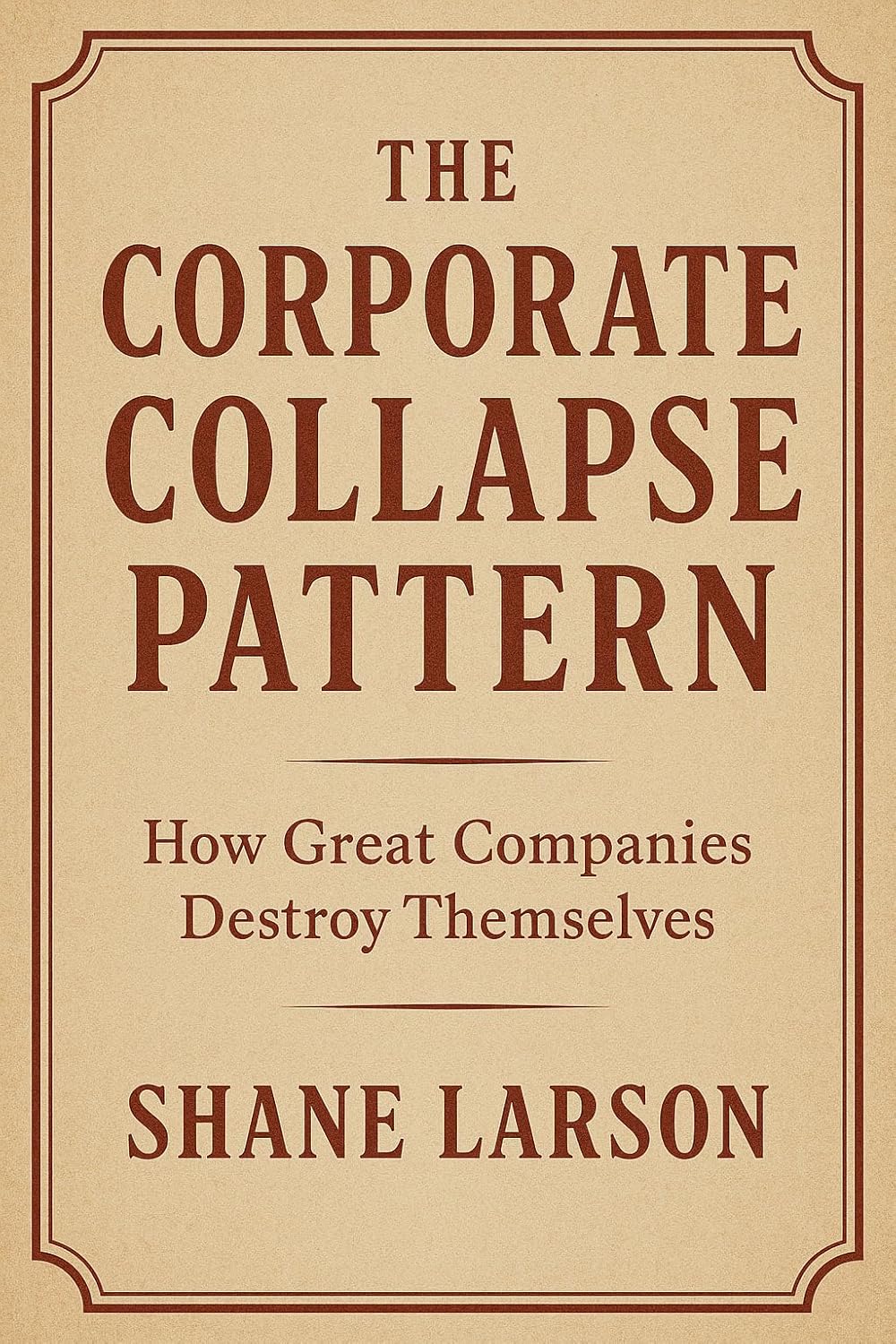
The Corporate Collapse Pattern
How Great Companies Destroy Themselves (Book 2)
Kodak, Blockbuster, and Nokia were industry giants—until their own decisions led to their downfall.
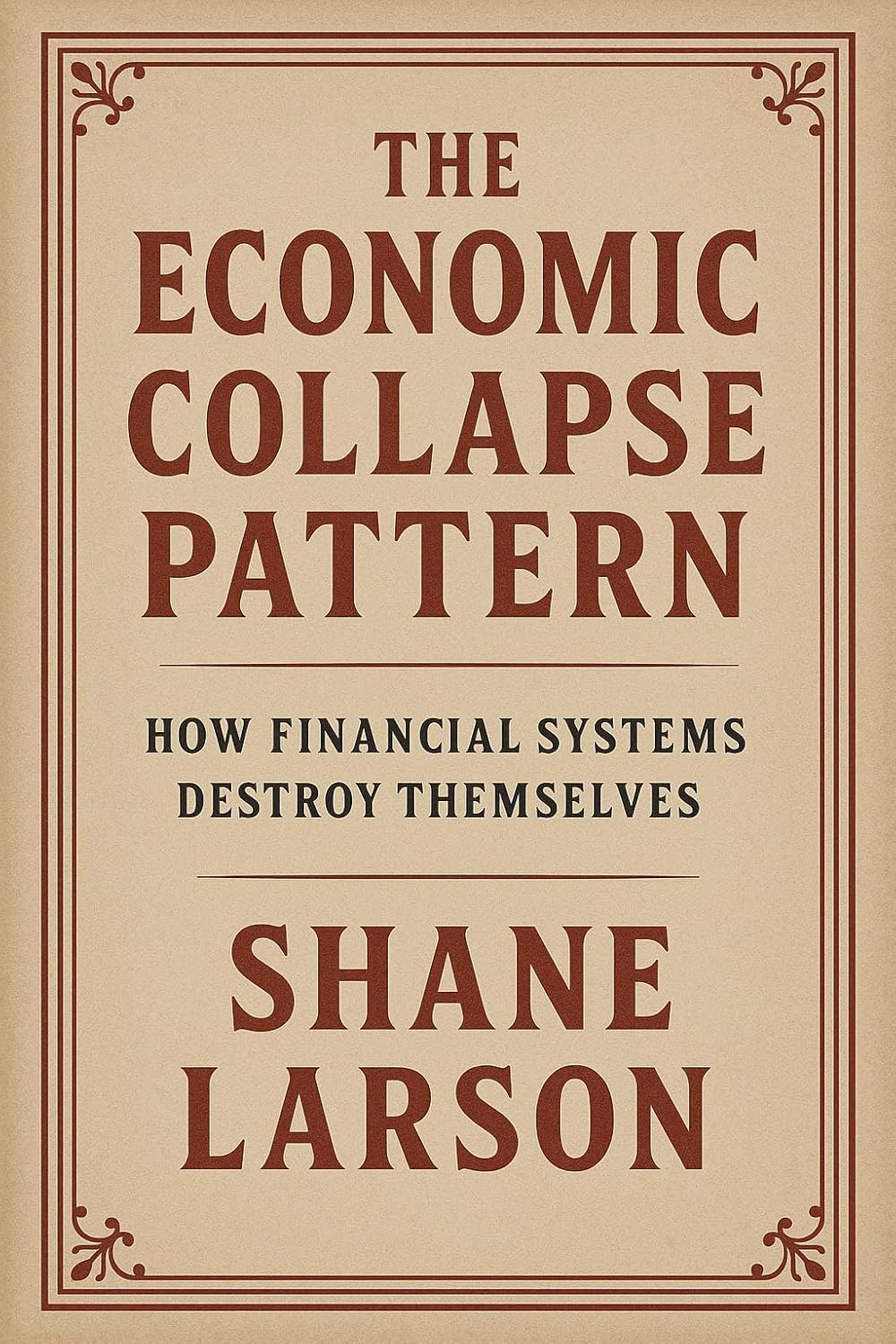
Economic Collapse Pattern
How Financial Systems Destroy Themselves
When investors ignored skeptics in 2008, it led to a global financial meltdown that changed economies forever.

The Technology Collapse Pattern
How Dominant Technologies Die (Book 5)
Imagine being the Kodak engineer who watched management lock away the world's first digital camera.
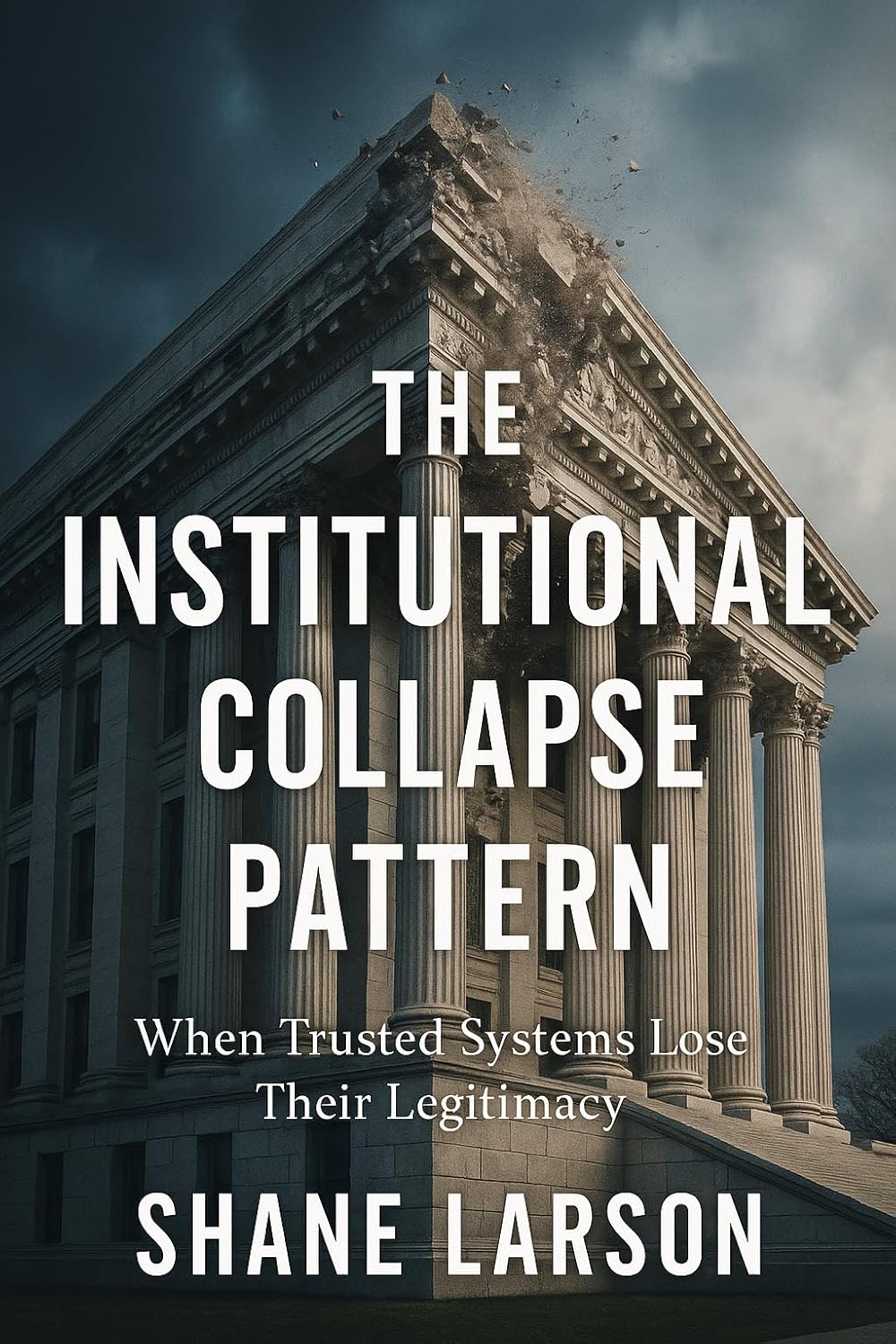
The Institutional Collapse Pattern
When Trusted Systems Lose Their Legitimacy
When seven pillars of society crumble together, the world as we know it is at stake.

Collapse Proof
What Makes Systems Survive When Everything Else Falls
Failing to understand why Nintendo outlasted Atari could mean repeating history's greatest business collapses.
Get new articles by email
Join the list for new tutorials on API development, AI applications, and software architecture — plus early word on new books. No spam, unsubscribe anytime.
We never share your address. One-click unsubscribe in every email.